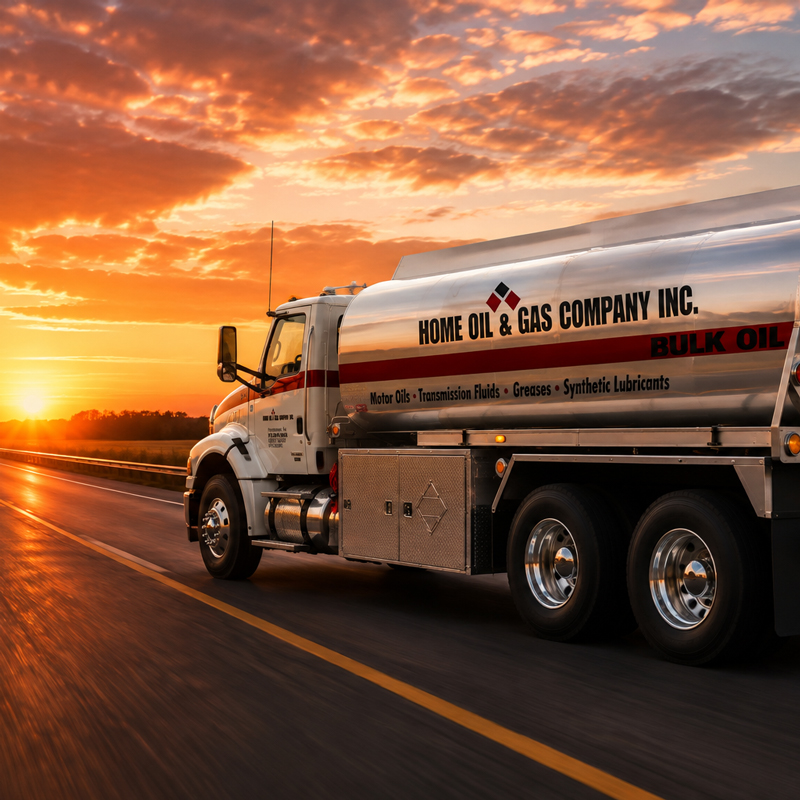
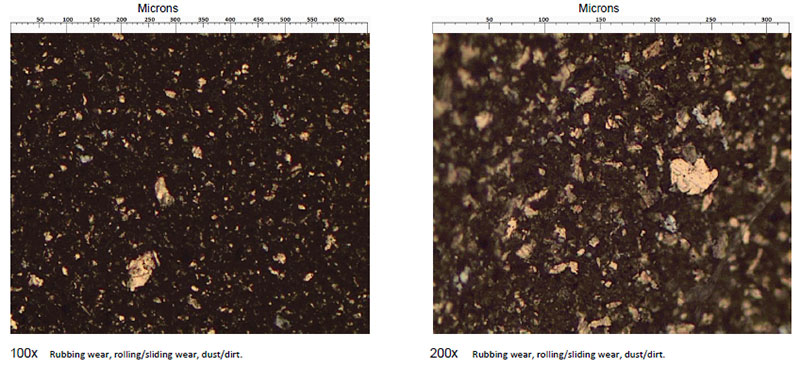
Microscopic oil analysis can reveal wear particles and contamination that help identify equipment condition and potential reliability concerns.

New Oil Transfer & Filtration

Start With Clean Oil

New oil isn’t necessarily clean oil.

Lubricants can pick up contaminants during manufacturing, transportation, storage and transfer before they ever reach your equipment. For sensitive hydraulic and lubrication systems, introducing contaminated new oil can work against the reliability program you’re trying to establish.

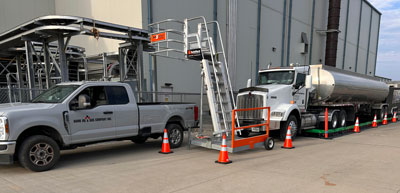
Home Oil & Gas Company, Inc. can filter new lubricant during transfer to help meet customer-specific ISO cleanliness requirements before the initial fill.

Filtered new oil can then be delivered directly to your facility in convenient totes, providing a cleaner starting point for your equipment and lubrication program.

Oil Filtration

Control Contamination. Protect Critical Equipment.

Contamination is one of the most common threats to lubricated equipment.

Particles, moisture and other contaminants can enter fluids through storage, handling, transfer, equipment operation and the surrounding environment. Over time, contamination can contribute to increased wear, reduced lubricant performance and equipment problems.

Home Oil & Gas Company, Inc. provides filtration solutions to help remove contaminants and bring fluids closer to the cleanliness requirements established for your equipment.

Filtration can be incorporated into new oil handling, routine maintenance or a broader reliability and contamination-control program.

Fluid & Oil Reclamation

Extend the Useful Life of Industrial Fluids

In some applications, contaminated fluid doesn’t necessarily need to be discarded.

Home Oil & Gas Company, Inc. can provide fluid filtration and reclamation services designed to remove contaminants and restore fluids to appropriate service levels when conditions allow.

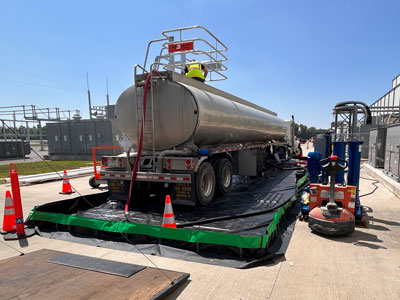
For one industrial customer, our team assisted with the reclamation of contaminated heat-treating fluid. The fluid was removed from the customer’s system, filtered and transferred to temporary storage while the system was serviced. Filtration continued before the reclaimed fluid was returned to the system.

The customer experienced extended fluid life, improved heat-treatment performance and significantly less residual smoke.

Fluid reclamation can provide both operational and environmental benefits by helping customers get more useful life from fluids that might otherwise require replacement and disposal.

Ask About Fluid Reclamation →
Change-Out Services

A Cleaner Approach to Fluid Changes

Changing industrial fluids can involve much more than draining one product and adding another.

Home Oil & Gas Company, Inc. can assist customers with fluid change-outs as part of a planned maintenance or reliability program. Depending on the application, this may include removing existing fluid, filtration, transferring product, preparing replacement fluid and helping establish appropriate cleanliness standards for the new fill.

Our goal is to make the process easier while helping customers begin with clean, properly handled fluid.

Ask About Change-Out Services →
Coolant Analysis

Monitor More Than Your Oil

Coolant condition can also provide important information about the health of engines and cooling systems.

Coolant analysis can help identify contamination, improper fluid condition and other issues that may affect cooling-system performance or equipment reliability.

For fleets, heavy equipment and industrial operations, combining coolant analysis with an oil analysis program can provide a more complete picture of equipment condition.

Ask About Coolant Analysis →


 Oil Sampling & Analysis

See What’s Happening Inside Your Equipment

Used oil can provide valuable information about both the lubricant and the equipment it protects.

Reliability isn’t one product or one test. It’s an ongoing process. It’s an ongoing process.

A properly managed oil analysis program can help identify changes in lubricant condition, contamination and equipment wear before those issues become obvious through normal operation.

Oil analysis may provide insight into:

  • Lubricant condition
  • Fluid contamination
  • Water or moisture
  • Abnormal equipment wear
  • Changes in fluid properties
  • Potential maintenance concerns
  • Lubricant service life

Home Oil & Gas Company, Inc. can assist with oil sampling and analysis as part of an ongoing preventive and predictive maintenance strategy.

Consistent sampling is important. Establishing appropriate sampling locations and procedures helps produce more meaningful results that can be compared over time.

Ask About Oil Analysis →
A More Proactive Approach to Maintenance

From Reactive Maintenance to Reliability

Reliability isn’t one product or one test. It’s an ongoing process. By combining quality lubricants with proper storage and handling, filtration, contamination control, consistent sampling and fluid analysis, businesses can make better-informed maintenance decisions and establish measurable standards for lubricant cleanliness and condition.

Home Oil & Gas Company, Inc. can help bring these pieces together into a practical program based on your equipment, application and operational goals.

Our reliability capabilities can include:

  • New oil filtration and transfer
  • Oil filtration
  • Fluid and oil reclamation
  • Fluid change-out services
  • Oil sampling
  • Oil analysis
  • Coolant analysis
  • Lubricant cleanliness programs
  • Technical support
  • Lubricant and equipment solutions
Discuss Your Reliability Program →

Reliablity Solutions FAQS

Isn’t new oil already clean?

New oil is manufactured to meet product specifications, but that doesn’t necessarily mean it meets the cleanliness requirements of every piece of equipment. Contamination can also be introduced during transportation, storage and transfer. Filtering new oil before it enters critical equipment can help establish the desired cleanliness level from the beginning.

What is an ISO cleanliness code?

ISO cleanliness codes are commonly used to describe the concentration of particles found in a fluid. Equipment manufacturers or reliability professionals may establish target cleanliness levels based on the type of equipment, components and operating conditions.

Home Oil & Gas Company, Inc. can work with customers to help meet established cleanliness requirements through appropriate filtration and fluid-handling practices.

What can oil analysis tell us?

Oil analysis can provide information about lubricant condition, contamination and equipment wear. When samples are collected consistently over time, changes and trends may help maintenance teams identify potential problems and make more informed maintenance decisions.

Why does the way an oil sample is taken matter?

A sample needs to accurately represent the fluid circulating through the equipment. Inconsistent sampling locations or procedures can produce results that are difficult to compare. Establishing a repeatable sampling process helps make an ongoing analysis program more useful.

Can contaminated oil or industrial fluid be reused?

Potentially. Whether a fluid can be reclaimed depends on the product, contamination, fluid condition and application. Filtration and reclamation can sometimes remove contaminants and extend useful fluid life rather than requiring immediate replacement.

What’s the difference between filtration and oil analysis?

Filtration is used to remove contaminants from the fluid. Oil analysis evaluates a sample to provide information about the condition of the lubricant, contamination and potentially the equipment itself. The two can work together as part of a broader reliability program.

Can you filter new oil before it is delivered?

Yes. Home Oil & Gas Company, Inc. offers new oil transfer and filtration and can filter lubricant to customer-specific ISO cleanliness requirements before delivering the filtered oil in totes.

Is reliability service only for large industrial facilities?

No. Reliability practices can benefit many operations with valuable equipment, including manufacturing facilities, mining operations, commercial fleets, construction companies and other businesses where equipment performance and downtime matter.

Call Now Button